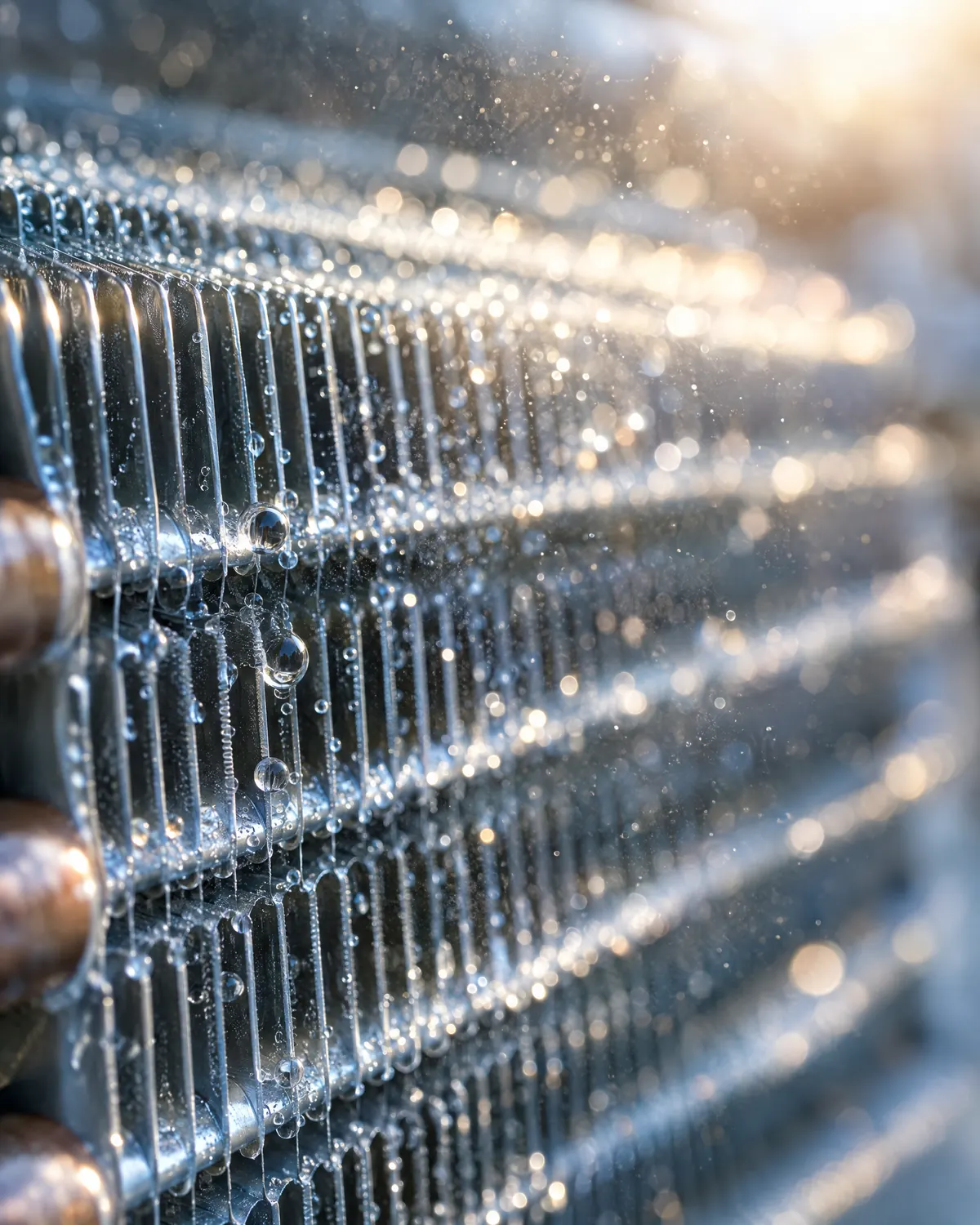
Condensate recovery: turning a by-product into cooling performance
How misting recovered condensate onto an outdoor condenser coil uses evaporation to support heat rejection — and what a well-engineered system requires.


We design condensate management around one conviction: the best solution is the one nobody notices — not the occupant, not the installer, not the building.
Innovation at Aqualis starts on the installation site — with the noise, heat, space and water constraints professionals face every day.
A structured development path turns installer feedback into platforms that perform from day one.
We start from real installation constraints: available space, drain distance, occupant sensitivity to noise and ambient heat.
Architecture, materials and pump technology are selected to meet acoustic, sealing and safety targets.
Prototypes are measured and tested against performance, endurance, ingress and thermal requirements.
Validated designs move to production with complete kits, clear documentation and a 24-month warranty.
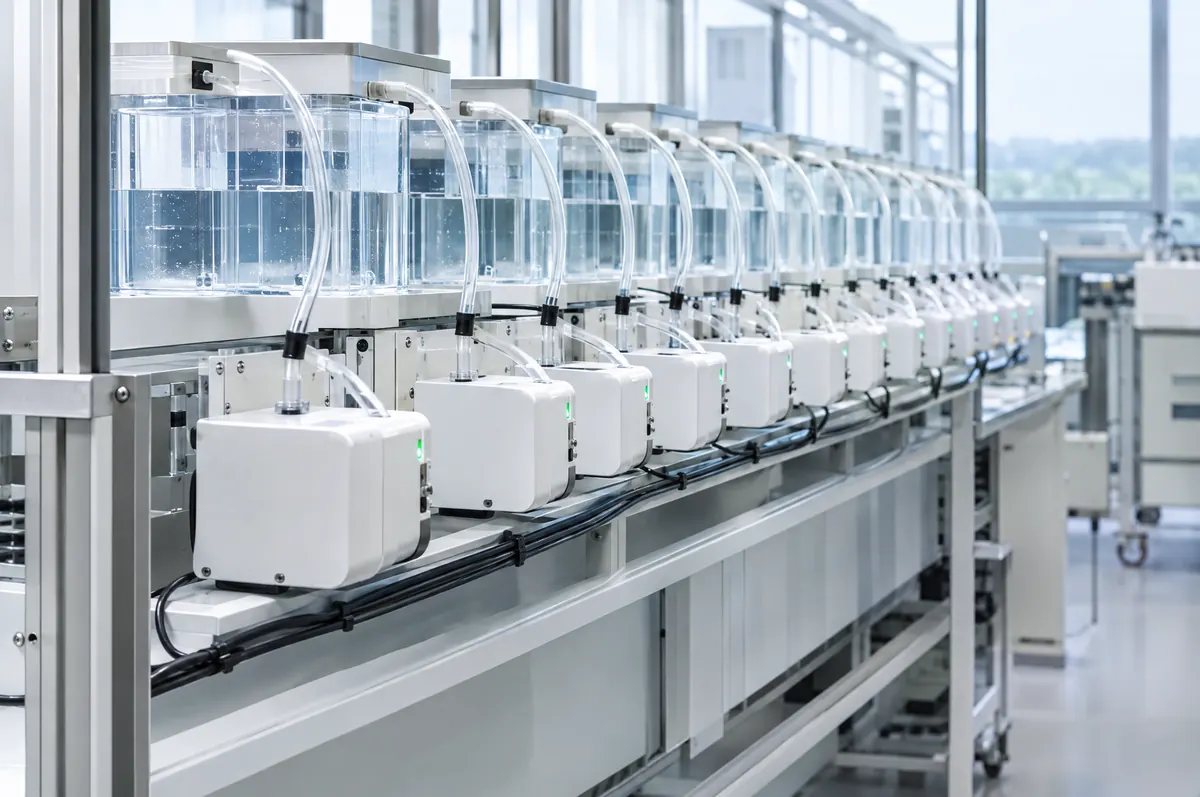
Every figure we publish is tied to a defined test condition, so professionals can compare and specify with confidence.
Each platform brings these disciplines together in a compact, installer-friendly package.
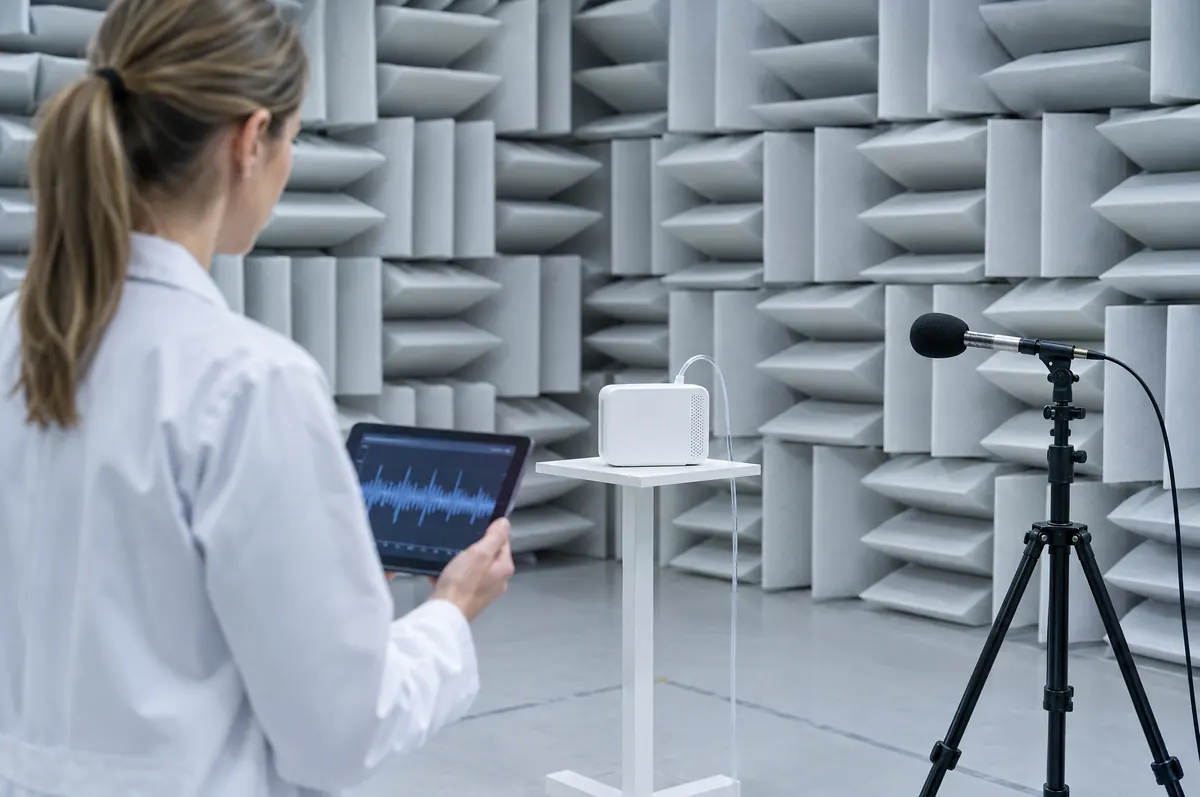
Pumps designed and specified for silence, with sound levels measured at one metre — as low as 16 dB(A).
Diaphragm pump technology rated for 1,000 hours of continuous operation and up to 15 m of discharge head.
Resin-encapsulated pump bodies rated IP66 or IP67, heat tolerance up to 70 °C and silver-ion reservoir protection.
Atomisation, filtration and anti-siphon control that turn condensate into a resource for the outdoor unit.
Smart on/off, high-level detection and safety contacts that protect equipment and buildings.
Silver-ion antibacterial beads that limit mould, biofilm and odours in lifting-pump reservoirs.
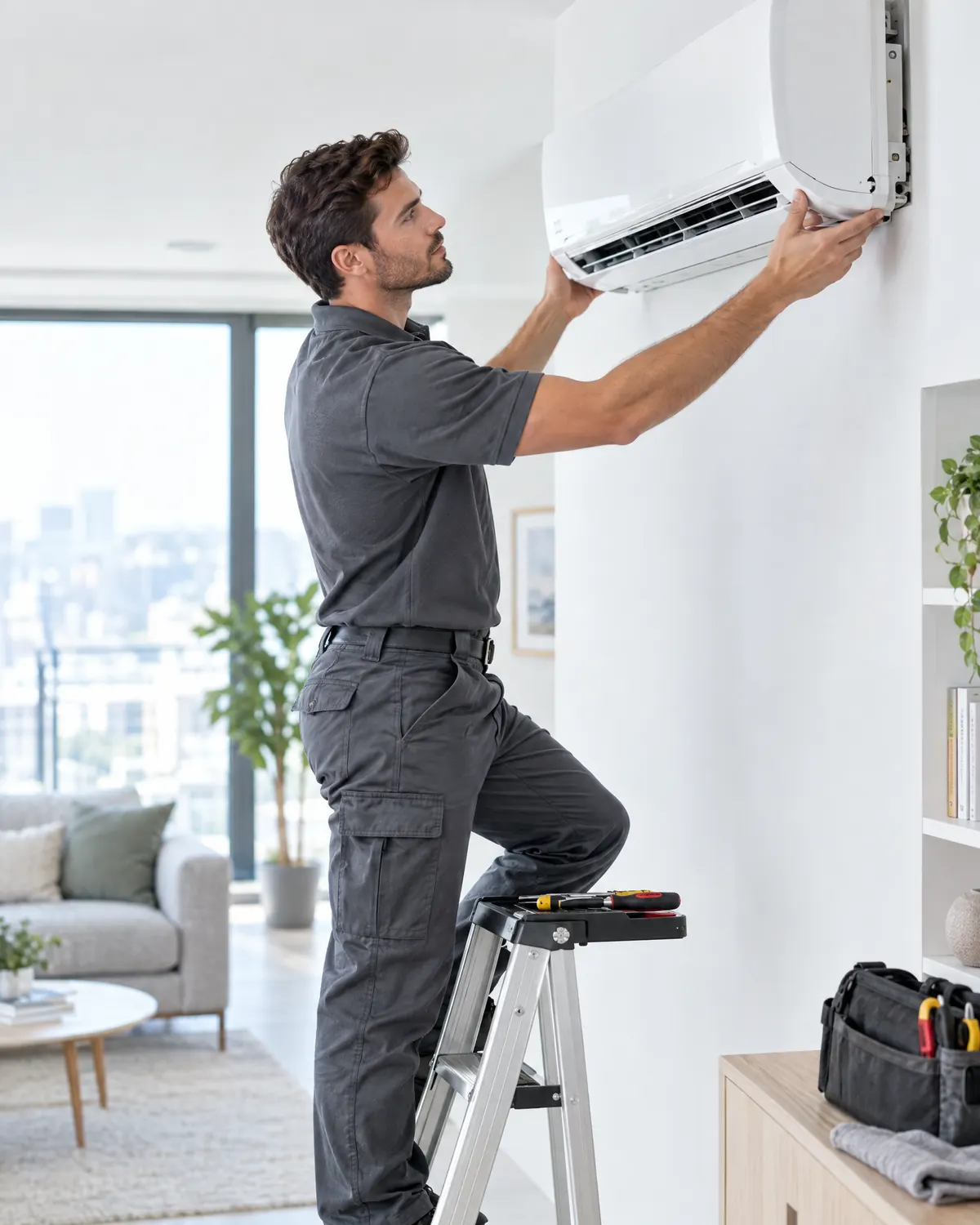
Compact formats, complete kits and clear status indicators reduce time on site and the risk of callbacks.
How misting recovered condensate onto an outdoor condenser coil uses evaporation to support heat rejection — and what a well-engineered system requires.
Discharge head, real flow rate, noise measurement, safety contact and hygiene: the five criteria that determine whether a condensate pump is right for the job.
Why acoustic performance is a design priority for condensate pumps, and the engineering choices behind Aqualis pumps rated at 16 dB(A) or less at one metre.
Share your constraints with our technical team. We will help you identify the right Aqualis solution.