
Every air conditioner that dehumidifies produces water. Most systems simply send it to a drain. The AD-PS02 was designed around a different idea: put that water back to work where it can help the system most.
Where condensate comes from
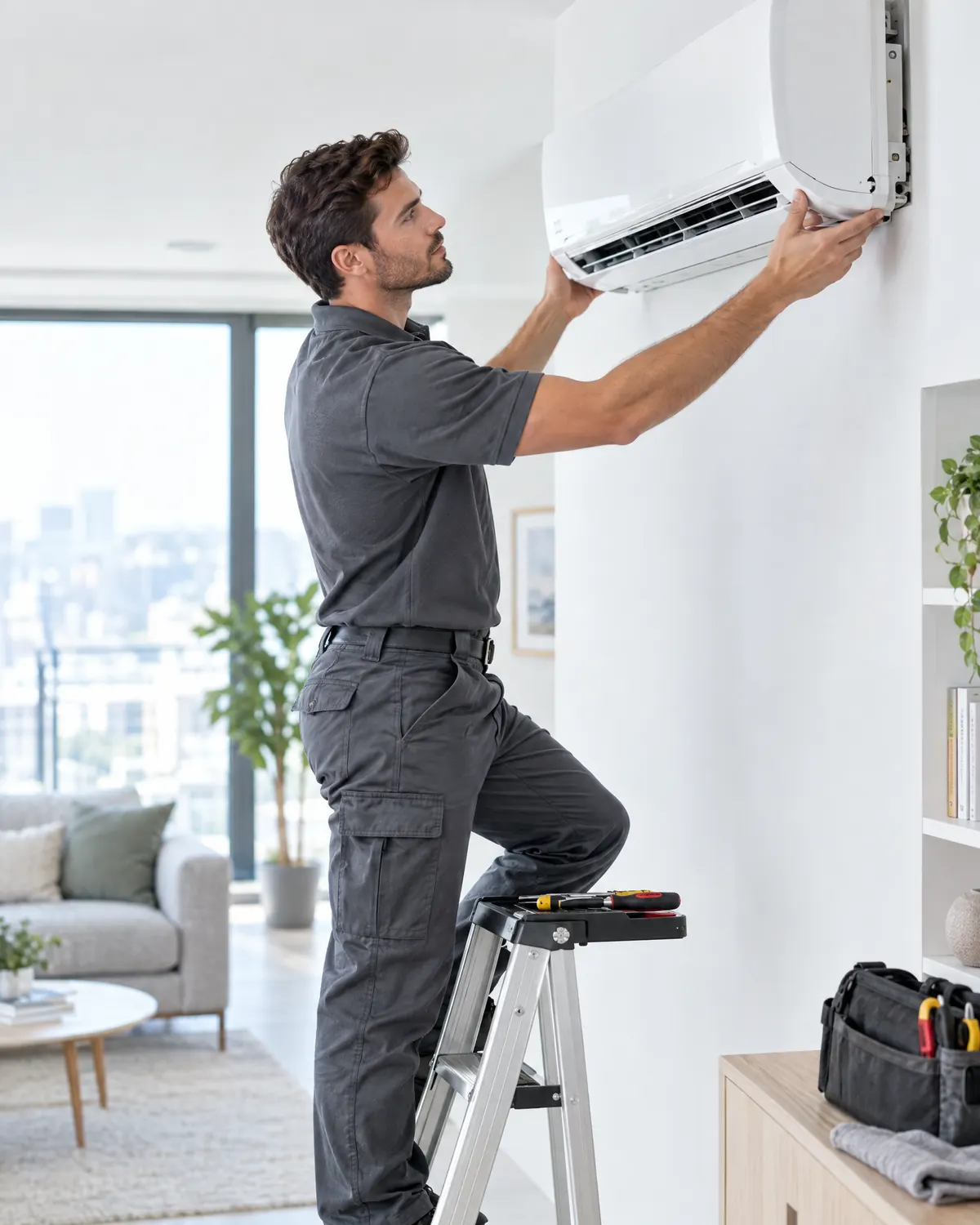
When warm, humid air passes over the cold evaporator coil of an indoor unit, part of its water vapour condenses. This is how an air conditioner dehumidifies a room — and why every split system needs a way to evacuate condensate, either by gravity or with a pump.
On a hot, humid day, that flow is continuous. At the same time, the outdoor unit is working at its hardest, rejecting the heat extracted from the building into air that is already warm.
The physics of evaporative assistance
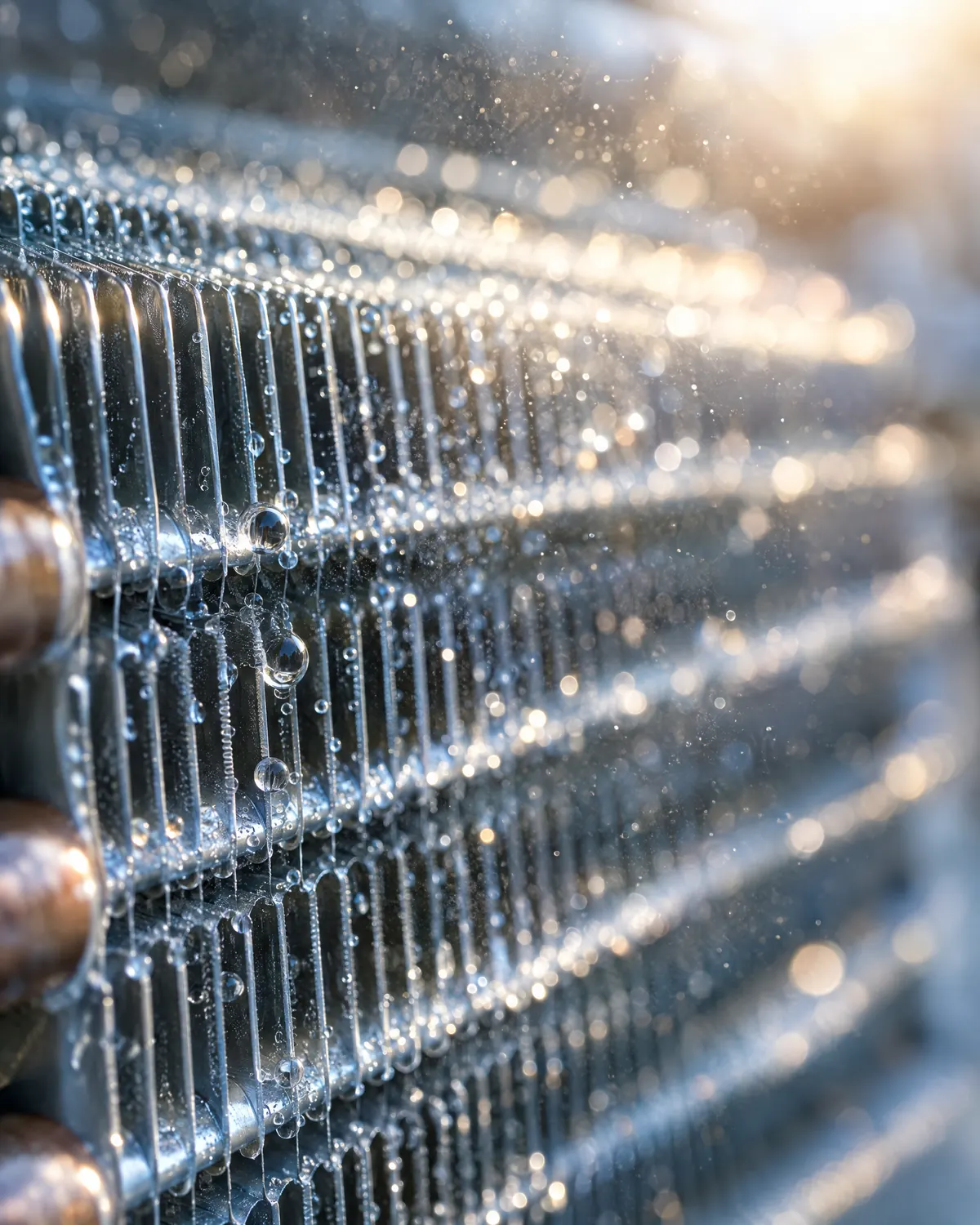
Evaporating water absorbs a large amount of energy: roughly 2.45 megajoules for every kilogram at typical ambient temperatures. When a very fine mist settles on the aluminium fins of a condenser coil and evaporates, it draws heat from the fins and the air around them.
A cooler coil rejects heat more easily. The refrigeration cycle can then operate at a lower condensing pressure, which reduces the effort required from the compressor. The benefit is greatest precisely when it matters most: during hot weather and peak cooling demand.
Why atomisation quality matters
The idea is simple; the engineering is not. Large droplets run off the coil instead of evaporating, wasting water and wetting the surroundings. The misting nozzle must therefore produce a mist fine enough to evaporate on contact.
The water must also be clean. Condensate carries dust and particles from the indoor coil, so filtration is essential to protect the nozzle. On the AD-PS02, the filter is external and can be cleaned without opening the unit.
Designing a dependable recovery system
- Mechanical float level detection, with no electronic sensor exposed to fouling.
- Automatic start and stop, and a high-level alert if water cannot be evacuated.
- An integrated anti-siphon system to keep the misting line under control.
- A double-compartment reservoir that limits condensation on the outside of the housing.
- Three status LEDs so installers can read the operating state at a glance.
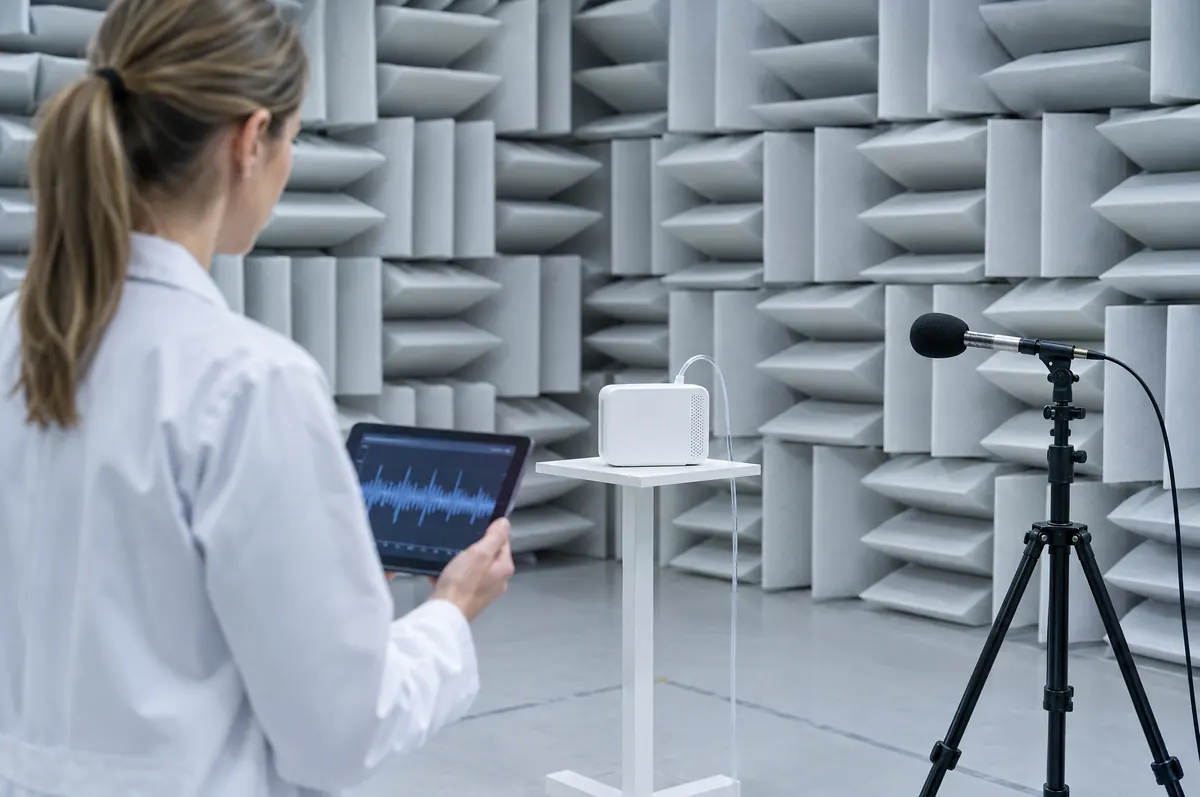
Combined with a flow rate of up to 12 L/h, an operating noise below 21 dB and IP66 protection, these choices turn a simple principle into a product that installers can fit and forget.
Related product: AD-PS02 — Condensate Misting Pump for Outdoor Units